
-
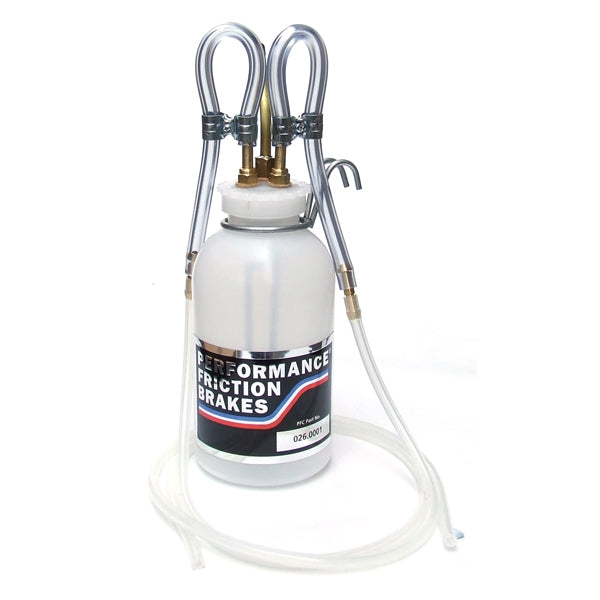
PFC Professional Twin Port Brake Bleed Bottle
Unit price perRegular price €121.33 €149.24 -
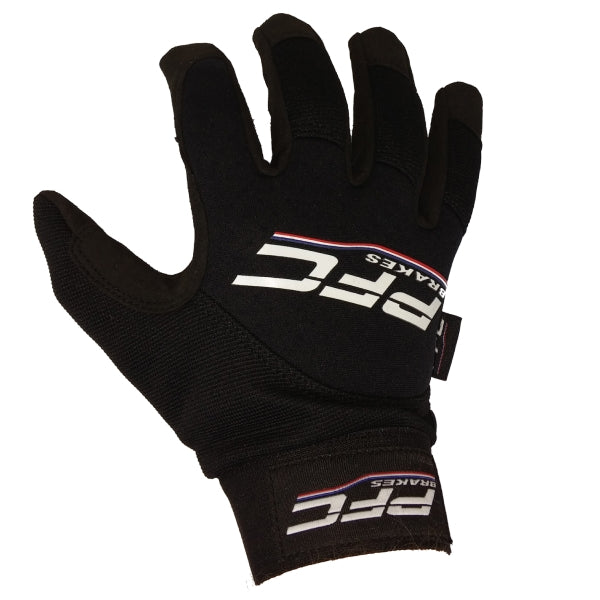
PFC Mechanic Gloves
Unit price perRegular price €25.21 €31.01 -
7767 - 17mm - 01 Compound Brake Pads
Unit price perRegular price €280.18 €344.62 -
 Sold out
0044 - 15mm - 11 Compound Brake Pad
Unit price perRegular price €158.68 €195.18Sold out -
7602 - 8mm - 07 Compound Brake Pads
Unit price perRegular price €45.63 €56.12 -
 Sold out
7719 - 11mm - 01 Compound Brake Pads
Unit price perRegular price €96.83 €119.10Sold out -
0031 - 15mm - 08 Compound Brake Pads
Unit price perRegular price €163.89 €201.58 -
7781 - 15mm - 01 Compound Brake Pads
Unit price perRegular price €361.01 €444.04 -
7768 - 16mm - 01 Compound Brake Pads
Unit price perRegular price €355.00 €436.65 -
7770 - 16mm - 39 Compound Brake Pads
Unit price perRegular price €385.69 €474.40 -
7700 - 16mm - 11 Compound Brake Pads
Unit price perRegular price €289.25 €355.78 -
Ø304mm x 28.0mm Ventilated Brake Disc - 12 x 177.8mm PCD - Bolted
Unit price perRegular price €406.34 €499.80Sold out


Key Features of PFC Brakes
PFC (Performance Friction Corporation) makes race-proven brake pads, discs and workshop kit for track and rally applications. The range on this page covers pads across multiple compound codes, ventilated discs, and the twin-port bleeder bottles and mechanic gloves you need to service them. Here's what to look for:
- Motorsport-first design. PFC pads are race compounds, not fast-road pads, and are used across circuit, GT, hillclimb and stage rally
- Made in the USA by Performance Friction Corporation, and widely used across professional GT and endurance racing
- Ventilated brake discs sized to specific PCD and bolt patterns, with the Ø304mm x 28.0mm 12 x 177.8mm PCD disc among the common track day fitments
- Twin-port bleeder bottle for solo brake bleeding mid-event, plus PFC mechanic gloves in Small through XX-Large to keep brake fluid off your hands and bodywork
Choosing the Right PFC Brake Pad Compound
PFC brake pads are identified by compound code, because bite, fade resistance and disc wear behave differently depending on how hard and how long you're braking. A pad built for a sprint hillclimb needs to bite hard from cold; a pad built for endurance racing needs to resist fade once brake temperatures climb over repeated hard stops. Here's a quick guide to the common PFC compounds:
|
Compound |
Best For |
Character |
|
01 |
Sprint and medium distance |
Good bite, minimal torque rise, low hot fade |
|
08 |
Endurance racing, high temperatures |
Slight friction rise with temperature, low disc wear |
|
11 |
Sprint and medium distance racing |
Smooth bite with rising friction over temperature |
|
39 |
Front axle applications with ABS |
Degressive compound, good initial bite, low wear, ABS-friendly |
These descriptions come from PFC's own compound guide, but performance can vary by application, disc temperature and caliper setup. Check your class regulations (Motorsport UK, Motorsport Ireland or FIA depending on your series) for any permitted brake modifications before ordering, and contact us if you want a compound matched to your car and event type.
Brake Discs and Thermal Management
Track and rally braking generates far more heat than road use, and that heat is what causes uneven pad deposits and fade if it isn't shed fast enough. Check the following before ordering:
- Disc diameter and PCD: confirm your vehicle's disc diameter and bolt pattern PCD against the product listing (the Ø304mm x 28.0mm 12 x 177.8mm PCD is one common fitment, but not the only one)
- Vented vs solid: ventilated discs shed heat faster than solid, and are the right choice for repeated hard braking
- Bolt-on vs floating: the PFC ventilated disc range in stock is a bolted design; two-piece floating discs are a different product entirely
- Caliper clearance: a mismatched disc won't clear your caliper or hub, so measure before ordering
Bleeding and Maintaining Your PFC Brake System
A twin-port bleeder bottle lets you bleed both sides of a caliper simultaneously, making a solo brake bleed significantly faster mid-event when you don't have a second pair of hands. Pair it with a set of PFC mechanic's gloves to keep brake fluid, which will strip paintwork on contact, off your hands and off the bodywork while you work.
Frequently Asked Questions
What's the difference between PFC brake pad compounds?
Each PFC compound code balances initial bite, fade resistance and disc wear differently. Softer, more aggressive compounds bite harder from cold but wear discs faster; harder compounds resist fade better over a long stage or endurance session but need more heat before they reach peak performance. Match the compound to your event length and braking style rather than assuming the most expensive option is automatically right.
Will PFC brake pads fit my road car for track days?
PFC brake pads are competition-focused compounds rather than road pads. Some can be used on a road-registered track day car provided you accept the noise and cold-bite trade-offs typical of race compounds, but for a car that's primarily driven on the road with occasional track use, look at dedicated fast-road compounds on our brake pads collection instead. Contact us with your car and use case if you're unsure.
How do I bed in new PFC brake pads?
Bedding new pads properly is the single biggest factor in how they'll perform and how long they'll last. Do it wrong and you'll cause the uneven pad deposit transfer that most drivers call "warped discs". PFC publishes a bedding procedure for each compound, but the principle is the same across the range: a series of moderate-to-hard stops from around 60mph down to around 5mph without coming to a complete standstill, letting the pads reach operating temperature gradually. Never sit stationary with hot pads against a hot disc. Follow the bedding procedure on the compound-specific data sheet, or contact us for guidance.
What makes the twin-port PFC bleeder bottle worth using?
Many competition calipers have two bleed nipples. The twin-port bottle connects to both at once, so both sides of the caliper bleed into the same bottle simultaneously. Each hose has a one-way valve to stop air being drawn back in, and a clear section so you can spot air bubbles as the fluid moves through. It's designed to handle hot fluid, so you can bleed between sessions without waiting for the system to cool.