
-
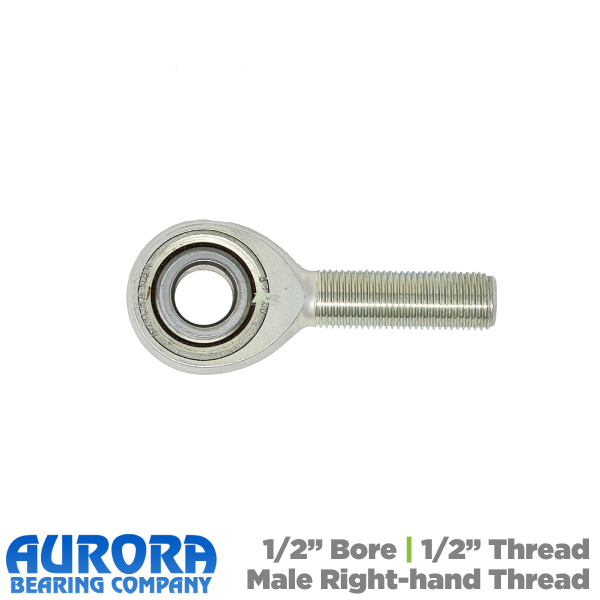
Aurora Rod End Bearing | 1/2" Bore | 1/2" Male Thread - Right-hand
Unit price perRegular price €79.88 €98.25 -
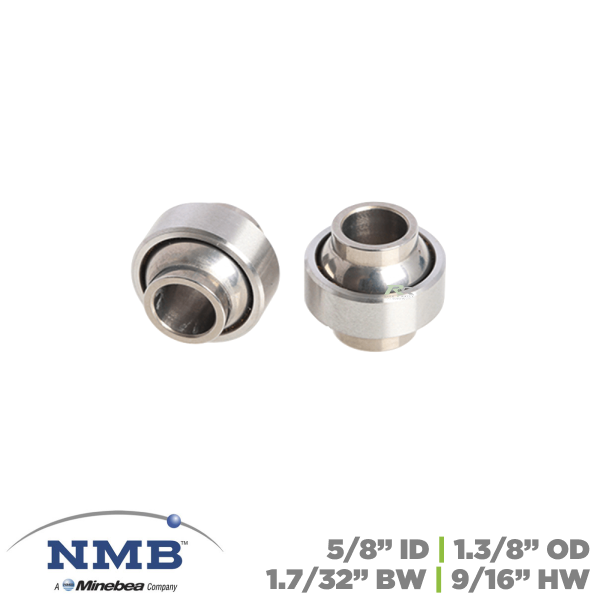
NMB Spherical Bearing | 5/8" ID | 1.3/8" OD | 1.3/16" BW | 9/16" HW
Unit price perRegular price €68.99 €84.86 -
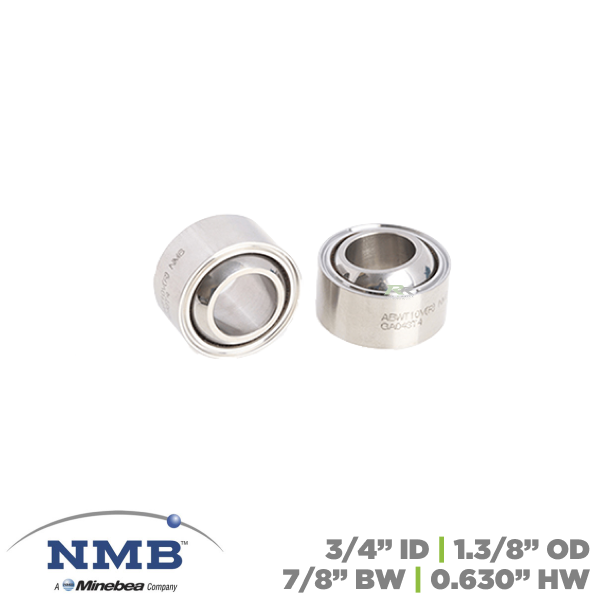
NMB Spherical Bearing | 3/4" ID | 1.3/8" OD | 7/8" BW | 0.630" HW
Unit price perRegular price €48.88 €60.12 -
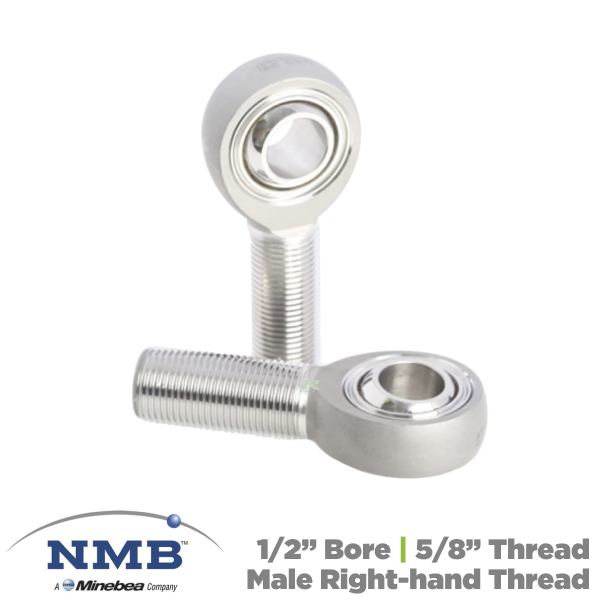
NMB Rod End Bearing | 1/2" Bore | 5/8" Male Thread - Right-hand
Unit price perRegular price €107.24 €131.91 -
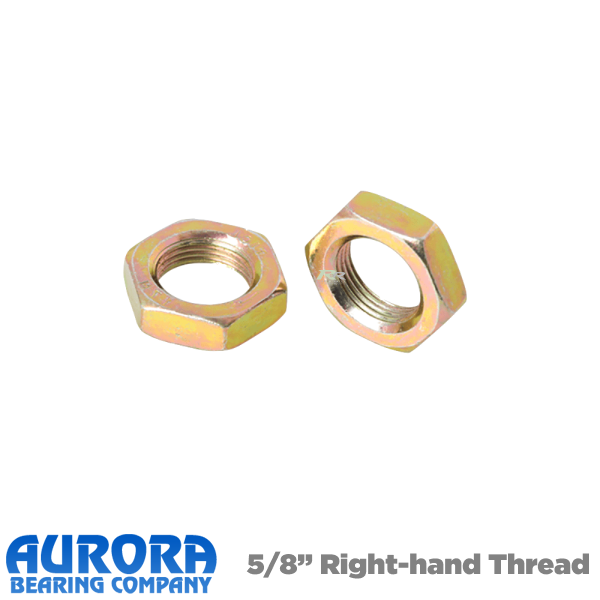
5/8" UNF Carbon Steel Lock Nut - Right-hand
Unit price perRegular price €2.01 €2.47 -
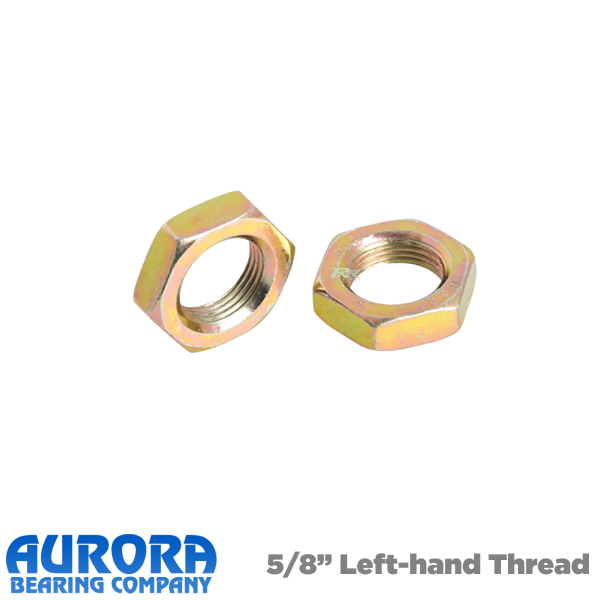
5/8" UNF Carbon Steel Lock Nut - Left-hand
Unit price perRegular price €2.01 €2.47 -
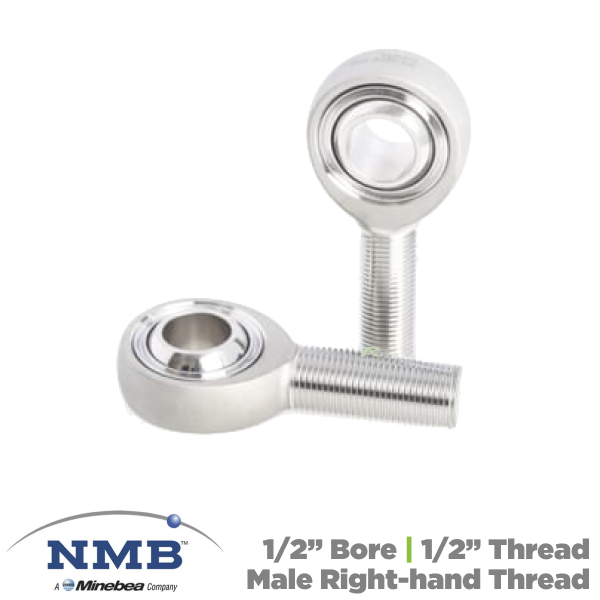
NMB Rod End Bearing | 1/2" Bore | 1/2" Male Thread - Right-hand
Unit price perRegular price €113.11 €139.13 -
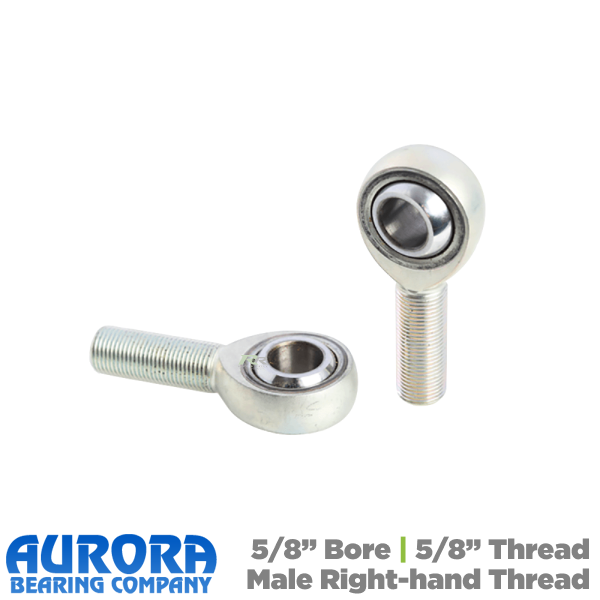
Aurora Rod End Bearing | 5/8" Bore | 5/8" Male Thread - Right-hand
Unit price perRegular price €100.43 €123.53 -
NMB Spherical Bearing | 14mm ID | 28mm OD | 17mm BW | 14mm HW
Unit price perRegular price €90.92 €111.83 -
NMB Spherical Bearing High Angle | 3/4" ID | 1.9/16" OD | 1.28 BW | .620 HW
Unit price perRegular price €120.64 €148.39 -
Fluro Tie Rod End | 18mm Bore | M18x1.5 Male Thread - Right-hand
Unit price perRegular price €166.21 €204.44 -
NMB Rod End Bearing | 5/8" Bore | 3/4" Male Thread - Right-hand
Unit price perRegular price €257.63 €316.88 -
NMB Spherical Bearing | 7/8" ID | 1.625" OD | 7/8" BW | 0.755" HW
Unit price perRegular price €69.83 €85.89 -
Fluro Spherical Plain Bearing | 22mm ID | 42mm OD | 28mm BW | 20mm HW
Unit price perRegular price €35.71 €43.92 -
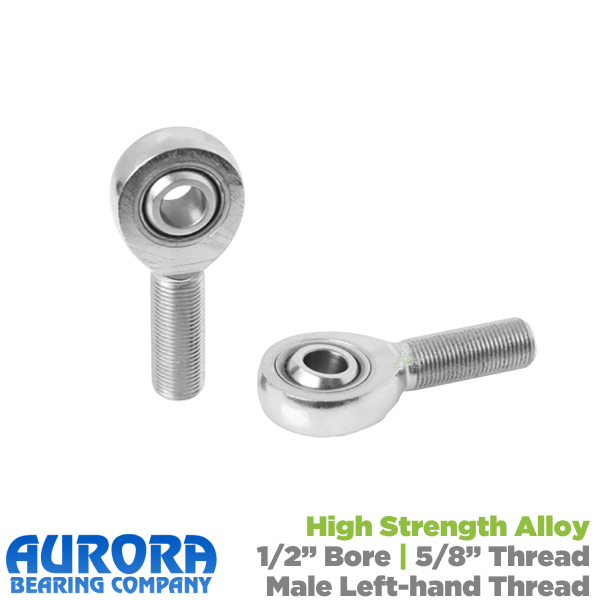
Aurora High Strength Rod End Bearing | 1/2" Bore | 5/8" Male Thread - Left-hand
Unit price perRegular price €103.16 €126.89 -
Rod-end Reducing Spacer - 1/2" to 3/8"
Unit price perRegular price €3.07 €3.78 -
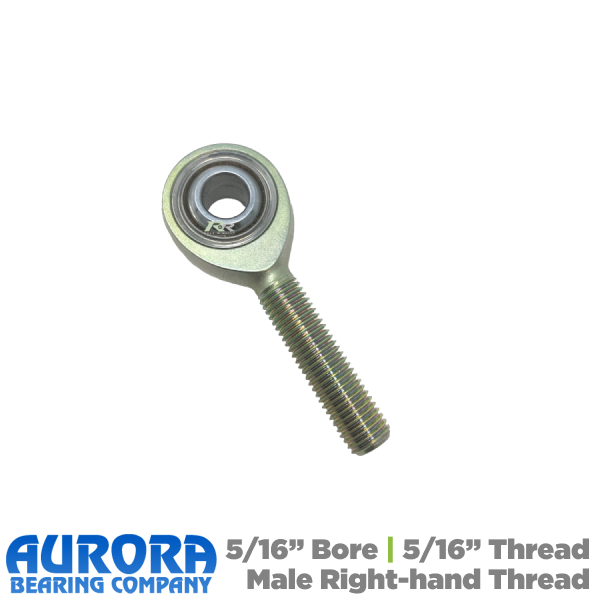
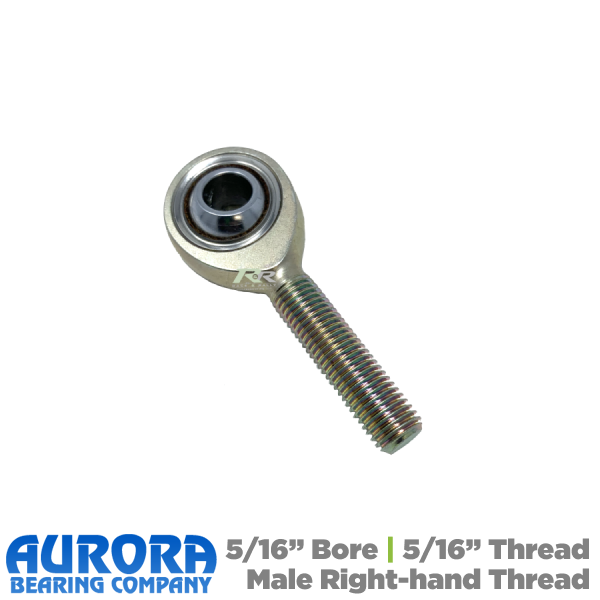
Aurora Rod End Bearing | 5/16" Bore | 5/16" Male Thread - Right-hand
Unit price perRegular price €125.32 €154.14 -
Aurora Rod End Bearing | 5/16" Bore | 5/16" Male Thread - Left-hand
Unit price perRegular price €125.32 €154.14 -
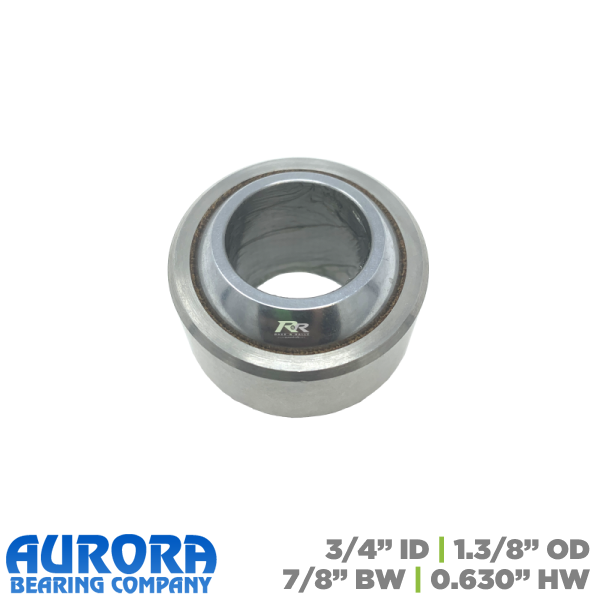
Aurora Spherical Bearing | 3/4" ID | 1.3/8" OD | 7/8" BW | 0.630" HW
Unit price perRegular price €108.79 €133.81 -
Aurora Rod End Bearing | 5/8" Bore | 5/8" Male Thread - Left-hand
Unit price perRegular price €254.33 €312.83 -
1/2" UNF Carbon Steel Lock Nut - Right-hand
Unit price perRegular price €2.01 €2.47 -
Aurora Rod End Bearing | 5/8" Bore | 5/8" Male Thread - Left-hand
Unit price perRegular price €105.64 €129.94 -
Aurora Rod End Bearing | 1/2" Bore | 5/8" Male Thread - Left-hand
Unit price perRegular price €61.88 €76.11 -
NMB Rod End Bearing | 5/8" Bore | 5/8" Male Thread - Right-hand
Unit price perRegular price €155.16 €190.85 -
Aurora Rod End Bearing | 1/2" Bore | 5/8" Male Thread - Right-hand
Unit price perRegular price €103.16 €126.89



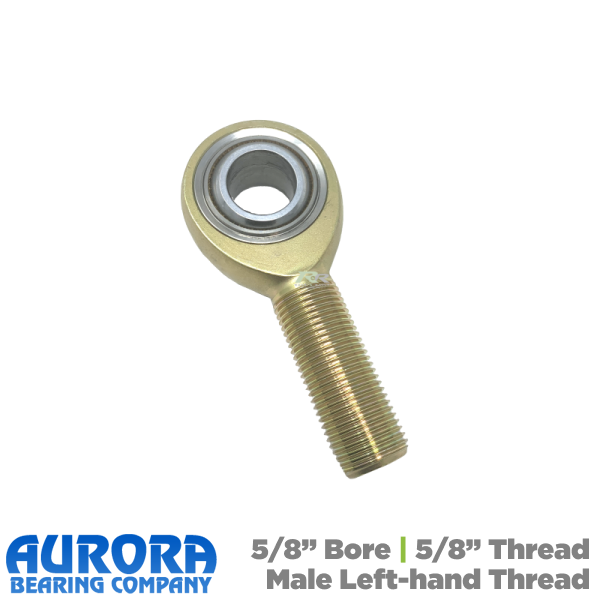
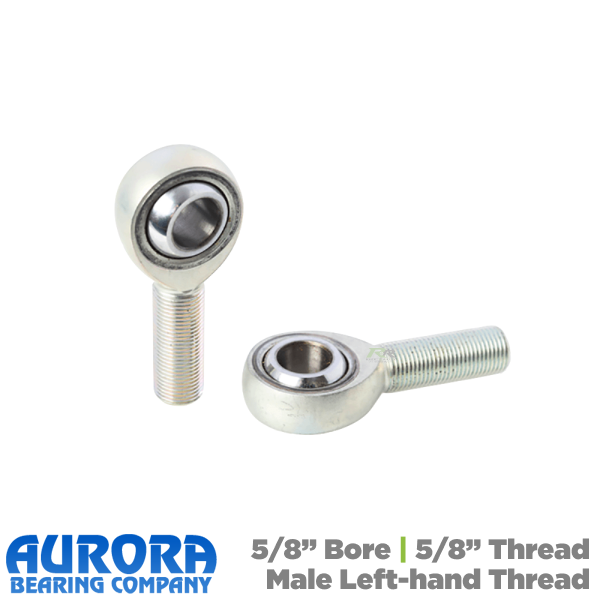
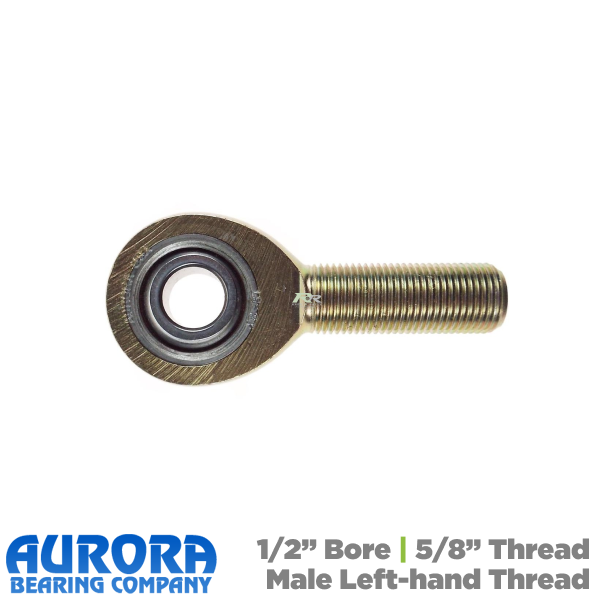
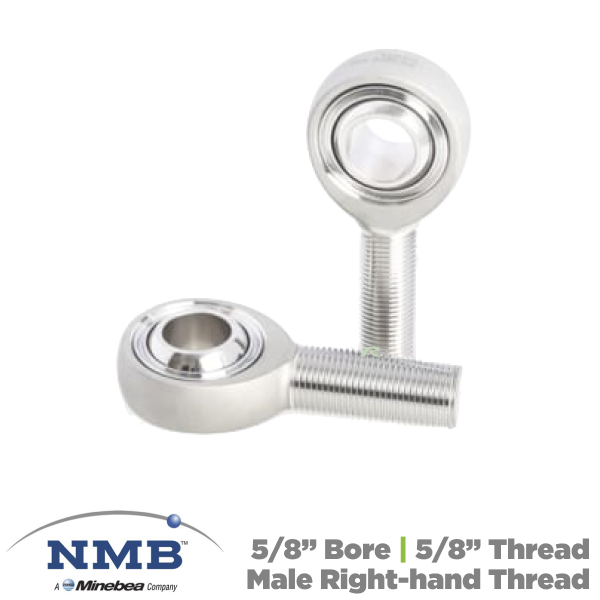
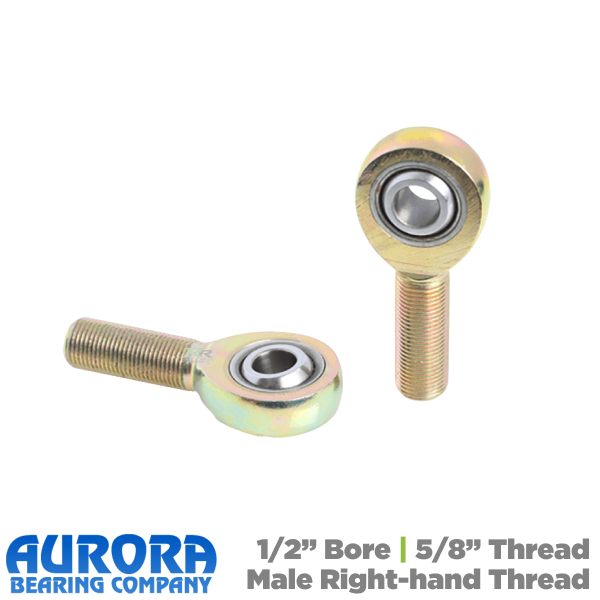
How to Choose a Rose Joint for a Competition Car
A rose joint is a rod end bearing: a spherical ball and race held in an eye with a threaded shank, letting a suspension or steering link swivel through several degrees of misalignment while carrying load.
In motorsport it replaces the rubber bush, and that’s the whole point. A bush deflects under load, so the geometry you set in the garage is not the geometry the car runs mid-corner. A rose joint does not deflect, so camber, castor and toe stay where you put them. The trade-offs are noise and vibration transmitted straight into the shell, and a wear cycle short enough that rod ends belong on the between-events inspection list. On a competition car that’s an acceptable exchange. On a road car it usually isn’t.
Bore, Thread and Hand
Three numbers specify a rod end. Get any one wrong and the part won’t fit.
- Bore: the hole the bolt passes through
- Thread size: the diameter and pitch of the shank thread
- Hand: whether the thread is left or right-hand
The bore and the thread are not always the same, and this is the single most common ordering error. A 1/2" bore with a 5/8" male thread is a different part from a 1/2" bore with a 1/2" male thread, and both are stocked here. Check both figures on the product page before ordering.
Handedness matters more than most people expect. Match the threads at each end of your link based on what the link needs to do:
- Same hand at both ends: the link is a fixed length. Right-hand at both ends is standard for anything you don’t need to adjust in service
- Opposite hand at each end: the link works as a turnbuckle. Slacken the lock nuts, turn the tube, and the link changes length without disconnecting either end. This is how you corner-weight a car or dial in toe between stages without losing an afternoon
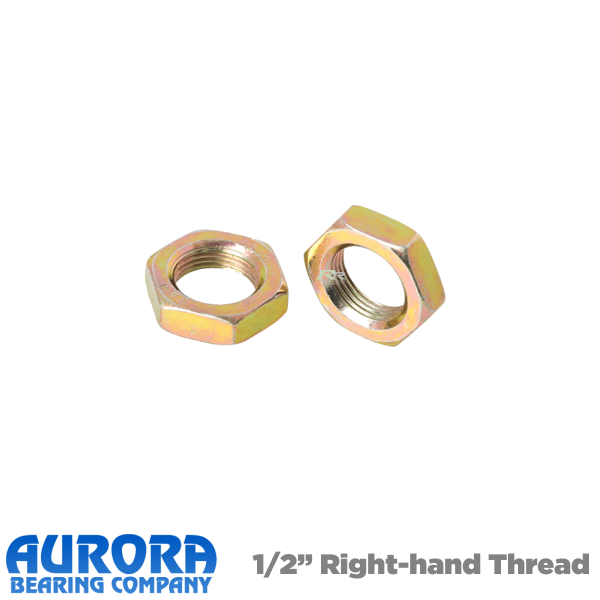
We carry both hands across the Aurora and NMB ranges, plus matching 1/2" and 5/8" UNF carbon steel lock nuts in left and right-hand to lock the setting once it is right.
Rose Joints, Spherical Bearings and Where Each Goes
The two are related but not interchangeable. A rose joint has the threaded shank built in and screws directly into a link or tube insert. A plain spherical bearing is just the ball and race, with no shank, and is pressed into a housing or fabricated mount. Use the rose joint where you need adjustment; use the spherical bearing where the mount is fixed and you only need articulation.
On a typical rally or circuit car, here’s where each part goes:
|
Location on the Car |
Part to Use |
Notes |
|
Top and bottom suspension links |
Rose joint |
Length adjustment for camber and castor |
|
Anti-roll bar drop links |
Rose joint |
Length adjustment for roll bar preload |
|
Watts linkage or Panhard rod |
Rose joint |
Length adjustment for lateral axle location |
|
Gear and throttle linkages |
Rose joint |
Length adjustment for pedal and lever geometry |
|
Damper eyes |
Spherical bearing |
Fixed pickup point, articulation only |
|
Fabricated pickup points |
Spherical bearing |
Pressed into the mount, no shank |
|
Steering rack and track rod ends |
Dedicated steering parts |
Do not substitute a suspension rod end |
If your suspension travel is long, as it’s on a gravel rally car, check the misalignment angle before you order. Standard rod ends typically bind at around 12 to 15 degrees off centre. The NMB high-angle spherical bearing in this range is built for exactly that problem and takes considerably more before it fouls.
Imperial or Metric
Almost everything here is imperial UNF, and that’s deliberate rather than an oversight. Aurora and NMB are American aerospace-derived bearing manufacturers, and the motorsport supply chain in the UK and Ireland has standardised on their sizing. If you’re replacing a rose joint on an Escort, an MG, a Peugeot or most purpose-built competition suspension, imperial is what came out of it.
Metric rod ends are more common in industrial and agricultural work and in some kit-car builds. We stock the NMB 14mm ID spherical bearing and the Fluro 18mm tie rod end. Beyond those, the range is imperial-led. If you’re unsure which is on the car, measure the bolt through the eye rather than the thread on the shank, and get in touch before ordering.
Where the bore is larger than the bolt you’re running, a reducing spacer solves it. The RIX Engineering 1/2" to 3/8" spacer is the one most people need.
Fitting, Maintenance and Scrutineering
Rose joints are a wear item on a competition car and should be on your between-events checklist. Grip the eye and try to move it against the shank: any perceptible free play in the ball, or any notchiness as it swivels, means replacement. Check the lock nuts are still tight, and check the threaded shank has enough engagement in the tube. A shank backed most of the way out to gain length is a link waiting to fail.
Regulations on rod ends vary by championship and by class, and they change. Check your championship technical regulations and the current Motorsport UK or Motorsport Ireland Yearbook, or contact your scrutineer, before you commit to a design.
Frequently Asked Questions
What is a rose joint?
A rose joint is a rod end bearing: a spherical ball and race housed in an eye with an integral threaded shank. It allows a link to pivot and misalign under load while holding suspension or steering geometry precisely. The name comes from Rose Bearings Ltd, a British manufacturer granted the UK patent in 1940, and in engineering outside the UK the same part is normally called a rod end or a Heim joint.
What is the difference between a rose joint and a ball joint?
A ball joint is a sealed, greased unit with a tapered stud, usually pressed or bolted into a wishbone, and it is not adjustable. A rose joint has a threaded shank, so it screws into a link and lets you change that link length to adjust geometry. Rose joints give more precision and more adjustment; ball joints give longer service life and quieter running, which is why road cars use them.
What is the difference between a rose joint and a spherical bearing?
A rose joint includes the threaded shank and screws straight into a link or tube. A spherical bearing is the ball and race on its own, with no shank, and presses into a housing or fabricated mount. Choose the rose joint where you need to adjust length, and the spherical bearing where the mounting point is fixed.
Do I need left-hand and right-hand threads?
You need both if you want an adjustable link. A left-hand rod end at one end and a right-hand at the other turns the link into a turnbuckle, so rotating the tube changes its length without disconnecting either end. Order a matching left and right-hand pair along with lock nuts in the same hand. If the link is a fixed length, right-hand at both ends is fine.